
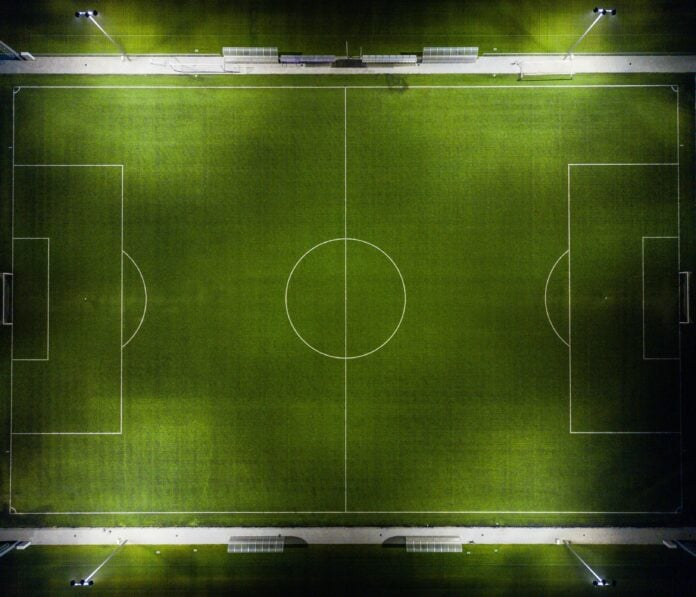
Maintaining a sports facility’s a tough gig. Whether you’re managing a local Little League complex, a high school football stadium, or a sprawling soccer park, the turf has to look flawless and play safely. Fans notice the neat stripes, but coaches and players care about the surface consistency. When blades cut the grass unevenly or the soil gets too compacted, it changes the way a ball rolls and increases the risk of injuries.
You can’t just toss any piece of equipment out there and expect a championship-level field. To get those professional results, you need the right tools for the job. Upgrading your fleet to include a reliable stand-on mower quickly becomes one of the smartest moves a turf manager can make. These machines completely change the way grounds crews approach daily maintenance, offering a blend of speed, safety, and turf protection that traditional sit-down models just can’t match.
Unmatched Visibility from the Deck
Let’s talk about the view from the deck. When you sit down on a traditional riding tractor, your line of sight is restricted. You’re positioned behind a large steering column and a bulky front end, making it tough to see exactly where your tires track. This becomes a real headache when you’re trying to mow perfectly straight stripes across a football field or navigate closely around a pitcher’s mound. Standing upright instantly solves this problem.
A stand-on design shifts the operator’s center of gravity and places them directly over the rear axle. From this upright position, you get a clear, unobstructed view of the cutting deck and the terrain ahead. You can easily spot dips in the turf, stray sprinkler heads, or chalk lines you need to avoid. That extra visibility translates directly into cleaner cuts, straighter lines, and a much sharper-looking sports facility. When your crew can see exactly what they’re doing, the quality of their work naturally improves.
Gentle on the Turf
Healthy grass requires healthy soil. If the dirt beneath the turf gets too packed down, the grass roots can’t absorb water or essential nutrients. Over time, compacted soil leads to hard, unsafe playing surfaces and patchy, brown grass. Sit-down riding mowers tend to carry a lot of extra bulk, and all that weight presses firmly into the ground with every single pass.
Manufacturers design stand-on machines to be much lighter and more compact. Because the machine itself weighs less, and the operator’s weight distributes evenly across a specialized suspension platform, the footprint left behind is significantly gentler. This reduced ground pressure keeps the soil loose and aerated. Your grass stays greener, the root systems grow deeper, and the athletes enjoy a softer, safer playing surface that absorbs impacts naturally.
Navigating Tight Spaces and Complex Layouts
Sports complexes rarely feature just wide-open fields. They’re packed with obstacles. You’ve got chain-link fences, dugout benches, goalposts, bleachers, and light poles scattered everywhere. Trying to steer a bulky zero-turn tractor around these tight spaces gets frustrating and time-consuming. You often end up having to go back with a push mower or a string trimmer to finish the edges, which wastes valuable labor hours.
Stand-on units feature a highly compact footprint. They’re shorter from front to back, allowing groundskeepers to maneuver in and out of incredibly tight corners with ease. You can trim right up to the edge of a soccer goal or glide smoothly around a batting cage without constantly shifting into reverse. Because of the operator’s standing, they can lean their body weight into turns, offering superior control and balance on sloped areas or tricky hillsides surrounding the field.
Effortless Debris Management
Before you even start the blades, you usually have to clear the field. High school stadiums and community parks act as magnets for stray trash. Water bottles, athletic tape, lost mouthguards, and random snack wrappers always seem to end up scattered across the grass after a big game. If you’re using a sit-down machine, dealing with this debris becomes a hassle.
You have to put the machine in neutral, unbuckle a seatbelt, climb down, pick up the trash, and climb back up. It breaks your rhythm and ruins your productivity. With a stand-on model, you simply step off the platform, grab the stray bottle, and step right back on. There aren’t any belts to unbuckle or armrests to navigate around. It makes the tedious job of clearing a messy field incredibly fast and fluid, saving your crew hours of wasted time each week.
Maximizing Operator Comfort
You also have to consider the physical toll this job takes on your crew. Bouncing around on a padded seat for eight hours a day takes a serious toll on the lower back. Every bump, rut, and divot shoots right up the spine.
Stand-on platforms feature advanced suspension systems that absorb those shocks before they ever reach the operator’s body. Your legs act as natural shock absorbers, bending slightly with the terrain. At the end of a long shift trimming baseball diamonds and practice fields, your groundskeepers’ll feel significantly less fatigued. When your team isn’t exhausted and dealing with sore backs, they work more efficiently and pay closer attention to the fine details that make a sports facility look truly elite.
The Bottom Line for Facility Managers
Managing a high-traffic athletic complex feels demanding, and the expectations for a perfect playing surface stand higher than ever. To meet those expectations, you’ve got to equip your team with machinery that enhances their skills rather than holding them back. By switching to a standing platform, you give your crew the gift of better visibility, improved maneuverability, and a much more comfortable ride. Most importantly, you protect the health of your turf by keeping soil compaction to a minimum. When the grass stays healthy and the cuts look precise, the entire facility shines. It’s a simple equipment upgrade that pays off every single time the home team takes the field.

