
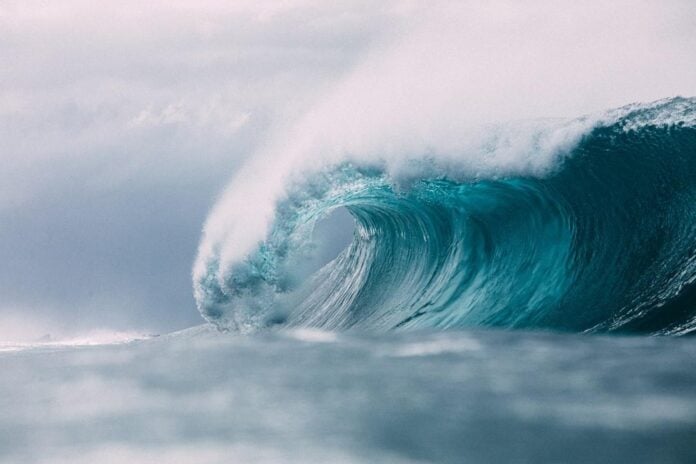
No wave in the world carries the mythology of Pipeline. Sitting on Oahu’s North Shore, this shallow reef break has become the single most photographed and most feared wave in surfing, a break where the world’s best gather every winter to test themselves against a wave that has ended careers and, tragically, lives.
What sets Pipeline apart from other heavy waves is not just its power but its structure. The wave breaks over a reef shelf riddled with underwater caves and ledges, producing a barrel so perfectly round and so violently fast that it has defined what surfers everywhere mean when they talk about getting tubed.
Understanding what makes Pipeline work, and what makes it so dangerous, helps explain why this single stretch of North Shore reef carries more weight in surf culture than almost anywhere else on earth.
The Reef That Creates the Barrel
Pipeline’s wave shape comes directly from the reef beneath it, which features several distinct lava shelves at different depths. A swell hitting the outer reef, known as Second Reef, can peak, back off, then reform and explode again over First Reef closer to shore.
- First Reef: the main, most consistent takeoff zone, producing the classic Pipeline barrel
- Second Reef: activates on larger swells, adding size and unpredictability to the lineup
- Backdoor: the right-hand mirror of Pipeline, breaking in the opposite direction over the same reef
- Off the Wall: a hollow left just down the beach, often grouped into the same session
This layered reef structure means Pipeline can look completely different from one swell to the next, which is part of why even experienced North Shore regulars study the forecast closely before deciding whether a given day is worth paddling out.
Why the Wave Is So Consistently Dangerous
Shallow Water Over Sharp Reef
The reef at Pipeline sits close enough to the surface that a wipeout can mean direct contact with lava rock, and the caves beneath the surface have trapped surfers in genuinely life-threatening situations even during smaller swells.
Speed and Sudden Closeouts
Pipeline’s power comes from how quickly the wave jacks up and pitches forward, giving surfers very little time to react if a section closes out unexpectedly, which is a major reason the wave has such a serious injury history despite its relatively short size compared to genuine big-wave breaks.
The Best Conditions for Watching or Paddling Out
Pipeline needs a specific combination of swell direction and size to work at its best, and the same conditions that produce world-class barrels can just as easily produce an unrideable, closed-out mess.
- Northwest swell direction is essential, since the reef is oriented to catch this specific angle
- Light and variable morning winds hold the wave’s shape before afternoon trade winds arrive
- Winter months, roughly November through February, bring the North Pacific swells the break depends on
- Low to mid tide generally shows the reef and the wave’s shape most clearly
Given how quickly conditions shift, checking a live, updated Pipeline surf forecast before making the drive out to the North Shore is far more reliable than relying on a general seasonal expectation.
Why Pipeline Draws the World’s Best Every Winter
Despite, or perhaps because of, the risk, Pipeline remains the wave every serious professional surfer wants to be photographed riding. Contests held here carry outsized prestige precisely because the wave punishes hesitation and rewards commitment in a way few other breaks demand.
This reputation has built an entire North Shore winter season around the wave, with houses along the beach rented specifically for Pipeline access and photographers lining the sand every morning a swell is forecast to arrive.
The Broader North Shore Ecosystem Around Pipeline
Pipeline does not exist in isolation. It sits within a stretch of North Shore coastline that also includes Waimea Bay, Sunset Beach, and numerous other world-class breaks, meaning a winter trip built around Pipeline naturally opens up access to several other legendary waves within a short drive.
- The Seven Mile Miracle nickname refers to this entire dense stretch of world-class North Shore breaks
- Traffic along the single coastal road can be intense during big swell events, worth planning around
- Accommodation along this stretch books up quickly during the peak winter swell season
- Many surfers base themselves centrally to have flexibility as swell direction shifts between breaks
This concentration of world-class waves within such a short stretch of coastline is part of what makes the North Shore, with Pipeline as its centerpiece, such a uniquely important pilgrimage site in global surf culture.
What Visiting Surfers and Spectators Should Know
For visiting surfers without genuine experience at heavy reef breaks, Pipeline is generally not the place to test personal limits. The wave has claimed lives even among highly skilled local surfers, and the learning curve here is unforgiving.
- Spectators can watch safely from the beach or the famous Pipeline viewing area without any risk
- Surfers considering paddling out should have genuine reef-break and heavy-wave experience elsewhere first
- Respecting the local lineup hierarchy matters enormously at a break this crowded and this consequential
- A smaller, cleaner day is a far better introduction than attempting to paddle out during a big swell
Checking conditions before heading out saves a wasted trip either way, since Pipeline on a flat or blown-out day looks nothing like the wave that appears in every surf film, and knowing what to expect changes how the whole day is planned.

