

Lacrosse has long carried a reputation as a regional sport, rooted in the Northeast and the mid-Atlantic, with expensive equipment and a narrow pipeline. Over the past two decades it has spread well beyond those roots, into the Southeast, the Midwest and the West, and into youth programs in places that never had a team.
One company built its early business on that spread, and still keeps lacrosse at its centre.
Starting with the ball
Dan Soviero founded Signature Lacrosse in 2015 to create what Forbes described as the first “premium” lacrosse ball. Forbes, which named him to its 30 Under 30 list for sports in 2021, reported that the ball gained partnerships with the NLL, WPLL, MLL and CLL and was being used by more than 300 college lacrosse programs.
A ball is a small detail in any sport, but it is the one piece of equipment every player touches in every drill. Consistency in grip and bounce matters for passing, shooting and goalkeeping, which is why programs care which ball they practise with.
From equipment to programs
The company grew from lacrosse balls into custom team apparel and then into a broader youth sports platform. Signature Athletics now runs Signature Locker for on-demand uniforms and team stores, Signature Media for sponsorship and newsletters, and the Signature Foundation for free sampling events and scholarships.
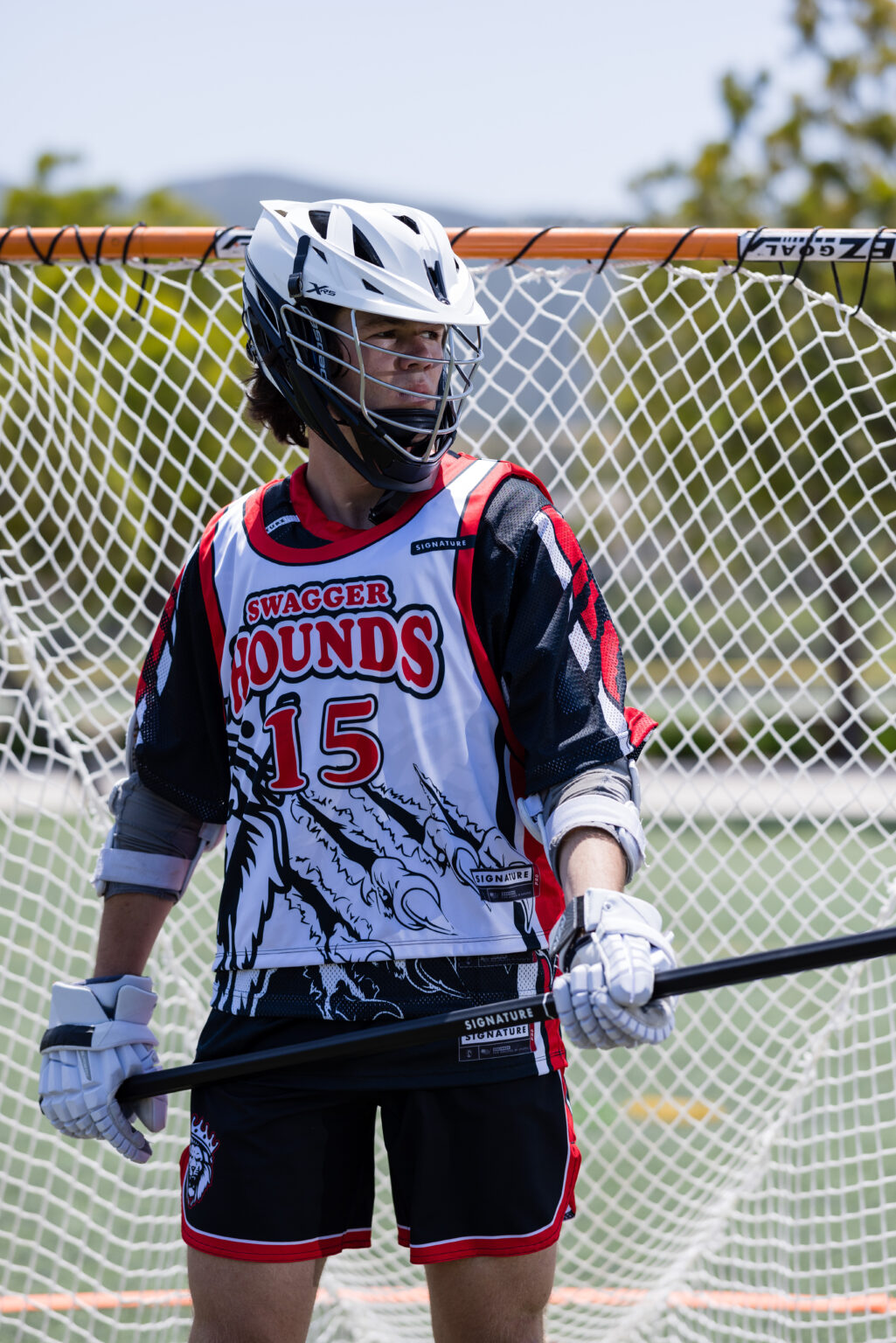
Lacrosse remains central to its community programs. Signature acquired 10X Lacrosse, a Florida youth lacrosse events and travel club operator. Its Signature Sports Brands group now lists several lacrosse organisations, including Carolina Lacrosse Association, Style Lacrosse, Team Carolina and Team Virginia.
Growing the base in the Carolinas
Carolina Lacrosse Association has run youth lacrosse around Charlotte since 2001, with programs across Charlotte, Lake Norman, Huntersville, Denver, Fort Mill and Clover. Since joining Signature’s group, according to LA Weekly, the club launched Start, an entry-level track for children new to lacrosse, and Play, a recreational tier that gives families a lower-cost way into the sport.
Those tiers address one of lacrosse’s biggest growth barriers. Travel teams and elite showcases get the attention, but a sport only grows when beginners have a place to start that does not require a major financial commitment.
“That’s allowed us to serve more players, create more opportunities, and stay focused on why we exist in the first place,” program director and CEO Ricky Reyes told LA Weekly.
Taking the sport further
The Signature Foundation also runs initiatives beyond the United States, according to the company, and its imagery shows young players in Signature jerseys taking up lacrosse. The foundation’s broader mission, shared with Signature Athletics, is to give 10 million kids access to sport by 2030.
What lacrosse growth needs next
- Affordable entry points. Beginner and recreational tiers with loaner or low-cost equipment.
- Coaches. New regions need trained coaches more than new tournaments.
- Local clubs that last. Programs survive when directors are supported, not overloaded.
- Pathways for girls and boys. The women’s and men’s games have different rules and equipment, and both need their own on-ramps.
Lacrosse’s expansion has been built by people willing to start teams where none existed. The next phase depends on keeping those programs affordable, well run and open to children who have never picked up a stick.

