
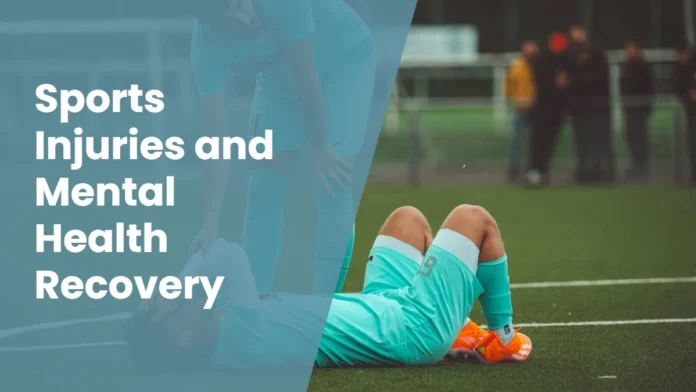
Sport is often presented as a cure for low mood, and regular exercise does help many people feel better. Yet athletes at every level can experience depression, particularly after injury, retirement or a run of poor results, and the culture of toughness in sport can make it harder to ask for help.
Why Athletes Are Not Immune
Athletes train their bodies to cope with physical pressure, but mental health does not follow the same rules. Competitive sport involves intense expectations, public scrutiny and identities closely tied to performance, all of which can affect mood.
Injury is a common trigger. Being unable to train or compete removes routine, social contact and a sense of purpose at the same time. Retirement can have a similar effect, especially for athletes who have defined themselves through sport for many years.
Amateur and youth athletes face these pressures too, often with fewer support systems than professionals.
Even training routines can become a source of pressure. Athletes may feel guilty about rest days or anxious about falling behind, which can make it hard to switch off.
Stigma in Sporting Culture
Sport often celebrates toughness and resilience, which can discourage athletes from admitting they are struggling. Some fear that speaking up will affect selection, contracts or how teammates see them.
New Jersey’s Governor’s Council on Mental Health Stigma emphasises that mental illnesses are real health conditions and should not attract judgement or discrimination. In 2026 the Council promoted a screening of Let’s Take a Walk, a youth-produced documentary about men’s mental health, stigma and seeking support.
High-profile athletes who have spoken publicly about depression and anxiety have helped shift attitudes, but many people in sport still find the subject difficult to raise.
When Irritability and Anger Signal Something More
Depression does not always look like sadness. In athletes, it may show up as irritability, frustration, loss of motivation or outbursts of anger, which can be mistaken for competitiveness or a bad attitude.
This article on when anger becomes a medical issue explains how persistent anger can be linked to underlying mental health conditions and when it is worth seeking an assessment.
Coaches and teammates who notice these changes can encourage a conversation rather than assuming it is a matter of discipline.
Getting the Right Assessment
For athletes who suspect depression, the first step is talking to a doctor, team physician or mental health professional. A full assessment considers mood, sleep, appetite, concentration, substance use and any recent life changes, including injury.
Sports medicine teams increasingly work with psychologists and psychiatrists so that mental health is treated alongside physical recovery.
Athletes outside professional settings can seek help through their family doctor or a local psychiatric practice. In northern New Jersey, HWS Center provides psychiatric evaluation and treatment for adults experiencing depression and related conditions.
Treatment Options
Treatment for depression often combines talking therapy and medication. Exercise can support recovery, but it is rarely enough on its own when depression is moderate or severe.
For adults whose depression has not improved after trying medication, other options exist. This overview of TMS therapy for depression explains how transcranial magnetic stimulation works and who may benefit from it.
Any treatment should be chosen with a qualified clinician based on the individual’s history and needs.
Sleep, nutrition and recovery routines also matter, and sports medicine staff can help athletes adjust training loads during treatment.
Supporting Teammates
Teammates and coaches can play an important role by creating an environment where it is normal to talk about mental health. Simple steps, such as checking in after an injury or a difficult result, show that people care beyond performance.
Clubs and schools can make mental health resources visible, train coaches to recognise warning signs and ensure athletes know where to turn.
Listening without judgement and encouraging professional help are among the most valuable things a teammate can do.
Youth sports organisations have a particular responsibility, since young athletes may not recognise or be able to describe what they are feeling.
Returning to Sport
Recovery from depression, like recovery from injury, takes time. A gradual return to training, clear communication with coaches and continued support from professionals help athletes rebuild confidence.
Some athletes find that their perspective on sport changes after experiencing depression, with greater focus on enjoyment and balance rather than results alone.
Some return with a new role, such as coaching or mentoring, using their experience to support others.
Strength in Seeking Help
Athletes face particular pressures that can contribute to depression, from injury and retirement to the expectation of constant toughness. Recognising the signs, challenging stigma and seeking proper assessment and treatment are signs of strength, not weakness.
Anyone in crisis in the United States can call or text 988 for free, confidential support at any time.

