
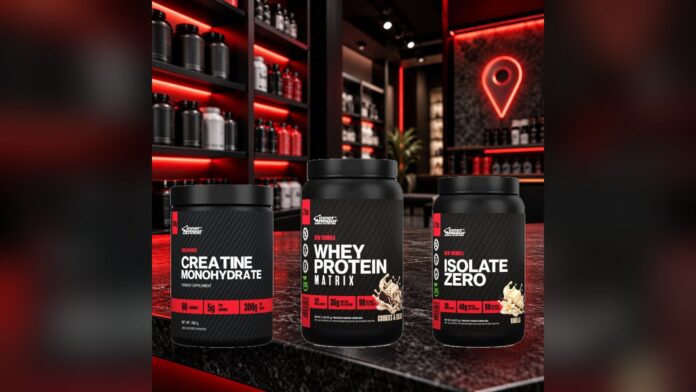
In college sport, a supplement is only as useful as its paperwork. Under NCAA rules, an athlete who tests positive for a banned substance is held responsible for it, whatever the label promised. That is why athletic departments tend to work with brands whose products carry independent certification, and why Inner Armour has made NSF Certified for Sport one of its priorities for the year.
The Kelowna, British Columbia company is pursuing the certification for selected products. At the same time, it is working toward becoming the official sports nutrition partner for several programs at the NCAA Division I and Division III levels.
What the certification checks
NSF Certified for Sport is run by NSF, the independent public health and safety organisation. Certified products are screened for substances prohibited by major sports bodies, checked to confirm that what is on the label is what is in the container, and made in facilities that are audited. Many professional leagues and college programs point their athletes to the NSF list as the safe place to start.
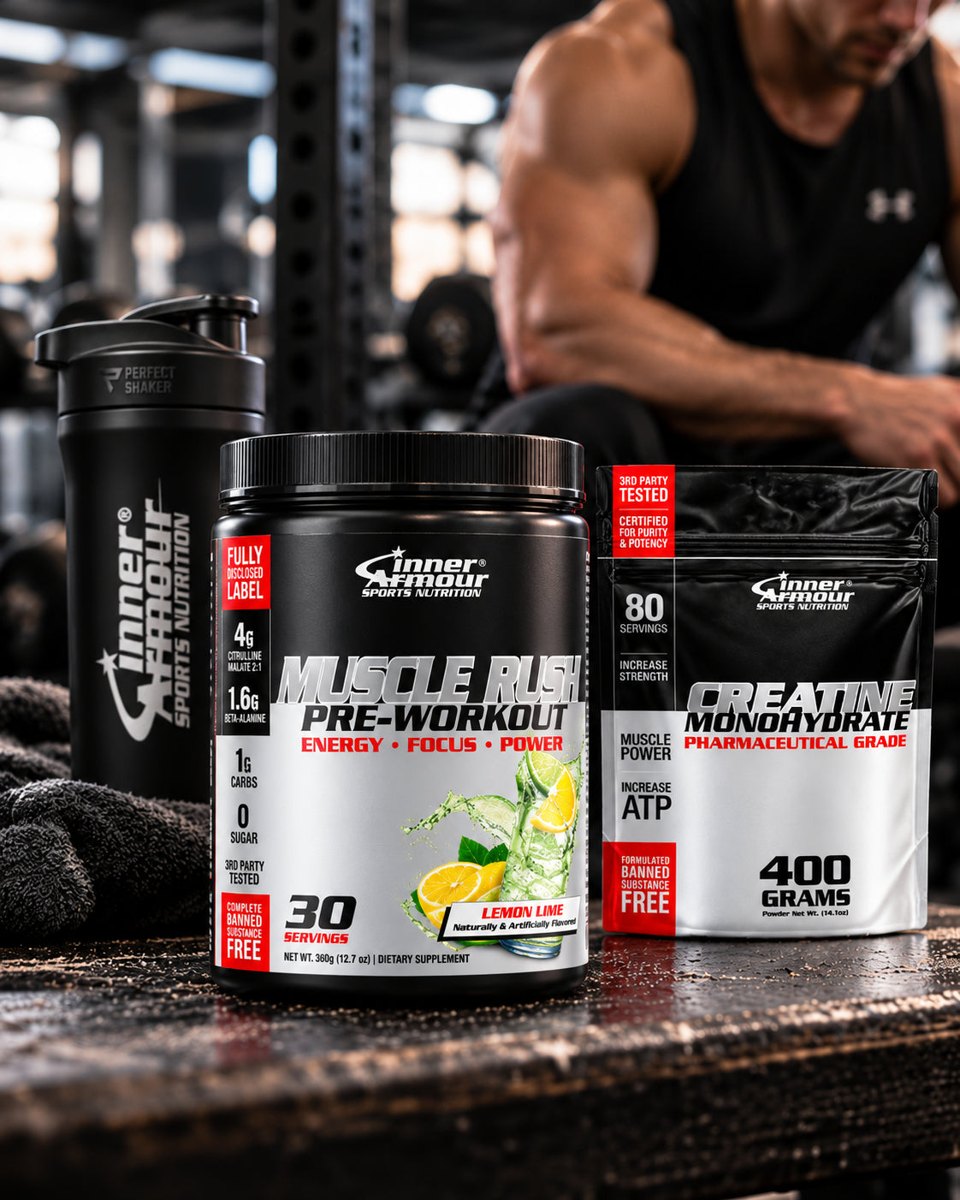
For Inner Armour, the certification builds on a long-held position. The brand has made its products to be free of banned substances for more than two decades, and the packaging carries a “Formulated Banned Substance Free” mark. Products are made in its own certified GMP facility in Kelowna, which gives the company direct control over the production line that an auditor will inspect.
Athletes already in the program
Inner Armour’s athlete roster shows where the brand is aiming. Anselmo Rego, from Brampton, Ontario, plays forward for the Lindenwood University Lions in NCAA Division I men’s hockey. In the 2025–26 season he played 25 games with seven goals and five assists, and scored a late game-winning goal against LIU in the United Collegiate Hockey Cup semifinals.
Closer to home, the brand has worked with junior sports clubs in British Columbia’s Okanagan region, and says its products are regularly used and tested by the athletes who depend on them.
The company is led by Kevin McIsaac, who has spent thirty years on the ownership side of sports nutrition, beginning with Prolab in Canada in 1996. The college push came alongside a full relaunch on October 1, 2026, which brought new packaging across the line and moved the company’s core proteins from sucralose to stevia.
For a sports dietitian or strength coach weighing a partnership, the order of operations matters. Certification comes first, and the partnership follows. Inner Armour is working on both at once, and its athlete roster gives it a head start with the programs it wants to reach.

